
The Ultimate Guide to Cardboard Shredders: Transforming Packaging Waste into Profit

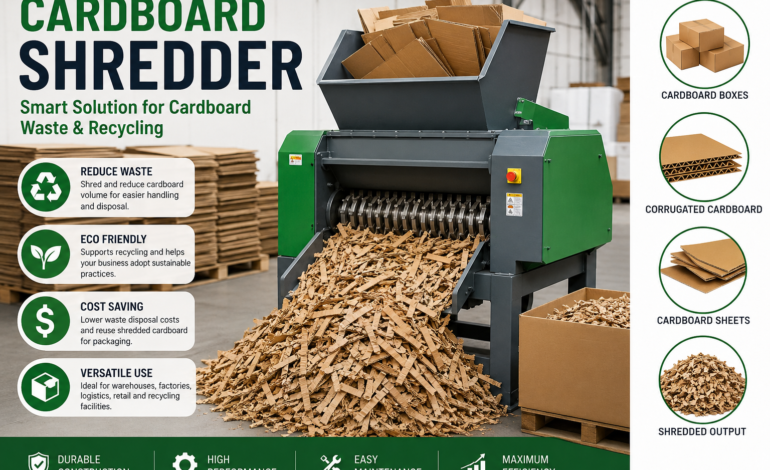
Managing packaging waste is one of the most costly and space-consuming challenges facing modern warehouses, retail hubs, and small businesses. Daily deliveries leave behind piles of bulky corrugated boxes that clog storage space, clutter trash bays, and drive up waste disposal fees.
A cardboard shredder directly solves this issue. Investing in a cardboard shredding machine converts heavy cardboard waste into custom, high-density void-fill packaging material. This shift slashes waste management overhead while eliminating the need to purchase expensive single-use plastic bubble wrap or packing peanuts.
What is a Cardboard Shredder and How Does It Work?
A cardboard shredder is a heavy-duty industrial or commercial machine engineered to cut, perforate, or strip rigid corrugated boxes into flexible packaging material. Unlike standard paper shredders—which tear thin documents into tiny unmanageable pieces—a cardboard box shredder processes thick multi-ply corrugated sheets without jamming.
+-------------------+      +-----------------------+      +--------------------------+
|  Used Cardboard   | ---> | Cardboard Perforator  | ---> | Flexible Void-Fill Mat   |
|  Boxes & Sheets   |      | & Shredding Engine    |      | Eco-Friendly Packaging   |
+-------------------+      +-----------------------+      +--------------------------+
The Step-by-Step Processing Workflow
- Feeding & Sizing: Plain or printed corrugated boxes are laid flat. Integrated guide plates trim oversized boxes down to the throat size of the machine.
- Perforating vs. Strip-Cutting: High-torque steel cutting rollers grip the board.
- A cardboard perforator cuts continuous grid patterns into the material, creating a flexible, shock-absorbent cushioning mat.
- A standard cardboard waste shredder cuts the material into narrow strips or dense chips for heavy-duty box filling.
- Ejection: The finished output is immediately ready for packing sensitive electronics, ceramics, or industrial items.
Core Benefits of Using a Cardboard Shredder Machine
Implementing cardboard recycling equipment inside your facility delivers immediate financial and operational advantages.
- Significant Cost Reduction: By producing your own packing filler from discarded boxes, you eliminate recurring spend on plastic bubble wrap, craft paper, and air pillows.
- Waste Volume Reduction: Shredding compresses bulky boxes by up to 70%, reducing the frequency and cost of commercial trash pickups.
- Eco-Friendly Packaging: Transitioning to recycled cardboard packaging supports circular economy goals, reduces carbon footprints, and appeals to eco-conscious consumers.
- Space Optimization: Converting flat storage areas previously dominated by empty boxes back into active inventory space improves workplace safety and layout efficiency.
Cardboard Shredder vs. Cardboard Baler: Which One Do You Need?
Businesses often confuse a cardboard shredder machine with a cardboard baler. While both streamline cardboard waste management, their core operational goals are fundamentally different.
| Feature | Cardboard Shredder | Cardboard Baler |
| Primary Goal | Reuses waste directly as protective packaging material | Compresses waste into heavy bales for haulers |
| Best For | E-commerce, fulfillment centers, shipping hubs | Large manufacturing, big-box retail centers |
| End Product | Flexible void-fill mats or shock-absorbing strips | Dense, wire-bound blocks of raw cardboard |
| Value Addition | Instant savings on void-fill material costs | Yields incremental revenue per ton of baled scrap |
| Footprint | Compact, available in desktop or mobile models | Large stationary machine requiring designated floor space |
Key Types of Cardboard Recycling Machines
Selecting the right cardboard processing machine depends on your daily box throughput and specific operational environment.
1. Small Business & Desktop Cardboard Shredder
- Ideal For: Small retail shops, boutiques, low-volume e-commerce sellers, and home offices.
- Processing Capacity: Single-ply corrugated cardboard, micro-flute boxes, and mailer envelopes.
- Footprint & Duty Cycle: Compact tabletop or small caster units operating on standard 110V/120V power. Typical duty cycles range from 15 to 30 minutes before requiring a thermal cool-down period.
2. Commercial Cardboard Shredder
- Ideal For: Medium-sized fulfillment hubs, regional distributors, and active shipping departments.
- Processing Capacity: Double-wall corrugated boards, standard shipping containers, and heavy craft liners up to 10–15 mm thick.
- Footprint & Duty Cycle: Floor-standing mobile units featuring high-torque motors capable of 4 to 8 hours of continuous operation per day.
3. Industrial & Heavy Duty Cardboard Shredder
- Ideal For: Large manufacturing plants, recycling facilities, and high-volume logistics hubs.
- Processing Capacity: Multi-ply heavy corrugated sheets, dense fiberboards, and rigid shipping boxes with metal staples and thick packing tapes attached.
- Footprint & Duty Cycle: Stationary 220V/480V 3-phase machinery built for continuous-duty (24/7) production lines.
Cardboard Shredder vs. Cardboard Perforator: Mechanism & Output Comparison
A critical distinction when selecting a cardboard shredding machine for recycling is deciding between strip cutting and perforating.
STANDARD STRIP SHREDDER              CARDBOARD PERFORATOR
+-----------------------+          +-----------------------+
| Inputs Raw Cardboard  |          | Inputs Raw Cardboard  |
+-----------------------+          +-----------------------+
            │                                  │
            ▼                                  ▼
+-----------------------+          +-----------------------+
|  Cuts Parallel Strips |          | Perforates Grid Net   |
+-----------------------+          +-----------------------+
            │                                  │
            ▼                                  ▼
+-----------------------+          +-----------------------+
| Dense Packing Chips/  |          | Flexible Accordion /  |
| Loose Fill Shred      |          | Cushioning Mat        |
+-----------------------+          +-----------------------+
| Feature | Standard Cardboard Shredder | Cardboard Perforator |
| Output Type | Narrow strips, chips, or confetti-style pieces | Lattice-patterned, flexible cushioning mat |
| Best Packing Application | Void fill, bottom box cushioning, box stuffing | Wrapping delicate items, surface protection, interleaving |
| Material Flexibility | Loose, highly conformable fill material | Rollable, foldable matting similar to bubble wrap |
| Dust Generation | Moderate to High (requires dust collection) | Low to Moderate (cleaner edge cuts) |
Technical Specifications Matrix
Understanding core engineering parameters ensures your chosen cardboard box shredder machine matches your daily workload requirements.
| Specification | Small Business Units | Commercial Shredders | Heavy-Duty Industrial |
| Motor Rating | 0.5 HP – 1.5 HP | 2.0 HP – 5.0 HP | 7.5 HP – 20+ HP |
| Feed Throat Width | 10″ – 14″ (250–350 mm) | 16″ – 20″ (400–500 mm) | 24″+ (600 mm+) |
| Infeed Speed | 20–30 ft/min | 35–50 ft/min | 60–100+ ft/min |
| Cutting Capacity | 1-Layer Corrugated | 2-Layer Corrugated | Multi-Layer + Metal Staples |
| Voltage Requirement | 110V Single Phase | 220V Single / 3-Phase | 480V 3-Phase |
Primary Buying Criteria: What to Evaluate Before Purchase
- Throat Width & Trimming Guides: Look for machines with built-in side cutters. If an incoming box exceeds the throat width (e.g., a 24-inch box fed into a 16-inch throat), auto-trimming blades cut the excess board cleanly in one pass.
- Dust Extraction Ports: High-volume shredding creates fine cardboard dust. Units equipped with integrated vacuum ports allow easy connection to industrial dust collectors, keeping workplace air clean and complying with safety standards.
- Hardened Steel Cutting Cylinders: Solid steel roller cutters resist wear from abrasive recycled fibers, residual glue, packaging tapes, and minor metal staples.
- Emergency Stop & Reverse Functions: Thermal overload protection, jam detection with auto-reverse, and prominent emergency shut-off switches prevent motor burnouts and safeguard operators.
Investment Breakdown & Price Ranges
- Entry-Level Desktop Units ($800 – $2,200): Suitable for low-volume void-fill generation in small warehouses or web stores.
- Commercial Mid-Range Shredders ($2,500 – $6,500): The sweet spot for growing fulfillment centers requiring continuous daily runs and high-volume padding production.
- Industrial High-Capacity Systems ($7,000 – $25,000+): Custom engineered for manufacturing facilities and high-volume logistics hubs processing multiple tons of waste weekly.
ROI Calculation: How a Cardboard Shredder Pays for Itself
Investing in cardboard packaging recycling equipment drives financial returns through two distinct streams: direct material savings (eliminating single-use plastic void fill) and waste management savings (reducing commercial dumpster hauls).
+------------------------------------+     +-----------------------------------+
|     PREVIOUS PACKAGING COSTS       |     |      CARD BOARD SHREDDER ROI      |
|  - Plastic Bubble Wrap Purchasing  | --> |  - Zero Spending on Plastic Fill  |
|  - High Commercial Waste Hauling   |     |  - 70% Drop in Waste Hauling Fees |
+------------------------------------+     +-----------------------------------+
Real-World Cost Comparison Scenario (Medium Fulfillment Hub)
Assuming a mid-sized facility ships 150 to 200 packages per day:
- Bubble Wrap / Air Pillow Spend: $450 / month ($5,400 annually)
- Waste Hauling & Dumpster Fees: $350 / month ($4,200 annually)
- Total Annual Waste & Void-Fill Overhead: $9,600
Post-Implementation Breakdown:
- Commercial Cardboard Shredder Purchase: $3,500 (one-time investment)
- Annual Shredder Electricity & Maintenance: ~$300 / year
- Plastic Void-Fill Spend: $0 (replaced by home-made corrugated mats)
- Reduced Waste Hauling Spend: $105 / month (70% volume reduction = $1,260 annually)
- New Total Annual Cost: $1,560
Net Savings in Year 1: $4,540
Payback Period: Under 5 Months
Step-by-Step Workflow: Operating a Cardboard Shredding System Safely
Following a standardized operating sequence prevents cutter jams, minimizes motor strain, and protects line operators from workplace injuries.
1.Pre-Operation Inspection:Prerequisite safety check before powering on.
Clear the infeed throat of foreign metal debris, heavy wiring, or thick plastic bands. Ensure the emergency stop button is fully functional and dust collection vacuum ports are securely attached.
2.Box Flattening & Trimming:Prep raw cardboard for clean feed.
Slice the bottom seams of shipping boxes using a utility knife so they lay completely flat. Guide oversized sheets along the machine’s integrated side-cutter blade to trim the width down to your shredder’s throat size.
3.Controlled Infeed:Maintain steady motor load.
Feed single or double-wall corrugated sheets flat into the throat. Allow the high-torque cutting rollers to grip and pull the material naturally—never force or ram thick multi-layer boards into the cutter.
4.Collection & Packing Deployment:Immediate packaging use.
Retrieve the output perforated netting or cushion strips directly from the catch bin or conveyor. Wrap fragile goods, line shipping box bottoms, or fill empty corner spaces immediately.
Essential Preventive Maintenance Schedule
Cardboard fibers produce abrasive dust and residual adhesives that degrade cutting edges over time. Implementing a preventive routine ensures long service life for your heavy duty cardboard shredder.
| Frequency | Component | Action Required |
| Daily | Infeed & Throat Area | Vacuum out trapped cardboard dust and clear accumulated glue residue around sensors. |
| Weekly | Steel Cutting Rollers | Apply manufacturer-approved high-viscosity shredder oil across cutting shafts to reduce friction and noise. |
| Monthly | Motor Belts & Chain Drives | Inspect tension on drive belts; adjust or tighten to prevent slippage under heavy torque. |
| Quarterly | Dust Extraction Filter | Clean or replace HEPA filter elements in attached industrial dust extractors to maintain air quality. |
| Annually | Electrical System & Bearings | Grease main roller bearings and inspect wiring connections for thermal degradation. |
Troubleshooting Common Equipment Issues
                                TROUBLESHOOTING MATRIX
                                          │
        ┌─────────────────────────────────┼─────────────────────────────────┐
        ↓                                 ↓                                 ↓
   CUTTER JAM                        MOTOR OVERHEAT                     EXCESS DUST
        │                                 │                                 │
        ↓                                 ↓                                 ↓
Press Reverse Mode              Allow 20-Min Cool Down           Clear Vacuum Exhaust
Remove Excess Board             Check Feed Thickness             Attach HEPA Filter
- Frequent Material Jams: Engage manual reverse mode to back out the trapped board. Check board thickness against manufacturer limits and avoid feeding wet or heavily taped cardboard.
- Motor Thermal Cut-Off: If the machine shuts down automatically, the thermal protection circuit has triggered. Turn off the main switch and allow a 20 to 30 minute cool-down window before resuming operation.
- Excessive Dust Accumulation: Inspect dust ports for clogs. Ensure the suction hose is fully sealed and the external vacuum system is running at correct CFM ratings.
Environmental Impact & Circular Economy Contribution
Traditional single-use shipping materials like EPS (expanded polystyrene) peanuts and plastic bubble wrap take centuries to decompose in landfills. In contrast, converting discarded corrugated boxes into perforated padding supports a closed-loop circular model:
- Elimination of Virgin Plastics: Repurposing cardboard directly replaces petroleum-based cushioning products.
- Biodegradable & Fully Recyclable Fill: End consumers can deposit the perforated cardboard netting directly into standard curbside paper recycling streams without sorting.
- Carbon Footprint Reduction: Minimizing commercial waste pickup frequency reduces local logistics fuel consumption and associated fleet emissions.
Global Regulatory & Packaging Compliance Overview
Strict environmental regulations worldwide are mandating plastic waste reduction in supply chains:
+------------------------------------+     +-----------------------------------+
|      EU PPWR / EPR DIRECTIVES      |     |     GLOBAL PLASTIC REDUCTIONS     |
|  - Mandatory recycled content      | --> |  - Strict bans on single-use fill |
|  - Eco-modulated producer fees     |     |  - Standardized curbside recycling |
+------------------------------------+     +-----------------------------------+
- EU Packaging and Packaging Waste Regulation (PPWR): Mandates significant reductions in packaging waste volume and strict recyclability standards across EU member states.
- Extended Producer Responsibility (EPR): Forces brands to pay higher eco-contributions on non-recyclable plastic packaging. Utilizing 100% recyclable cardboard void fill significantly reduces these regulatory fees.
- US & Global Plastic Restrictions: Multiple jurisdictions are enacting bans on polystyrene peanuts and non-recyclable plastic mailers, encouraging paper-based shipping alternatives.
Final Procurement Checklist: Choosing the Right Cardboard Shredder
Before making a purchasing decision, evaluate your facility using this quick checklist:
- [ ] Daily Volume: Are you processing under 50 boxes daily (small business unit), 100–300 boxes (commercial unit), or 500+ boxes (industrial continuous unit)?
- [ ] Output Style: Do you need flexible wrapping mats (cardboard perforator) or dense bulk filler (strip shredder)?
- [ ] Voltage & Power: Does your facility support standard 110V power or 3-phase 220V/480V industrial connections?
- [ ] Dust Management: Is the unit equipped with dust extraction ports to ensure worker air safety?
- [ ] Safety Features: Does the shredder include auto-reverse jam clearing and thermal overload protection?
Final Thoughts
Investing in a cardboard shredder is one of the most practical upgrades any business can make to streamline packaging waste management. By converting bulk corrugated boxes into high-quality, eco-friendly void fill on demand, operations immediately reduce packaging costs, eliminate single-use plastic reliance, and shrink waste removal fees. As global supply chain regulations increasingly mandate sustainable packaging solutions, integrating a commercial cardboard shredding machine positions your business for long-term cost efficiency, environmental compliance, and circular supply chain success.