Leaked OnlyFans Content: Privacy, Online Safety, Scams, and Legal Considerations

Introduction
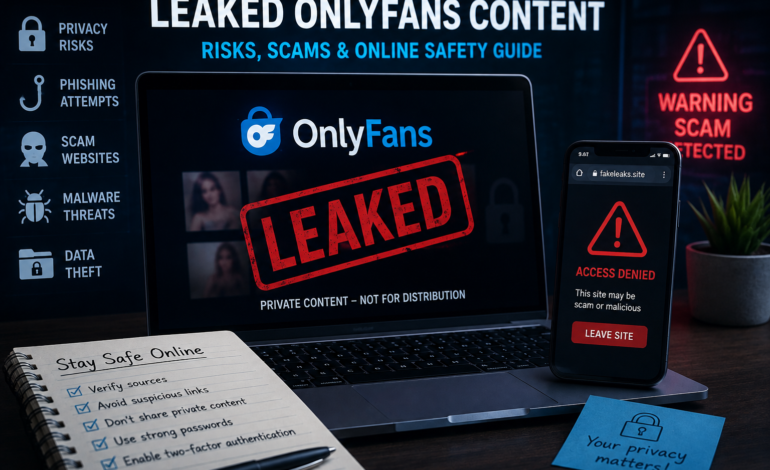
The internet has made it easier than ever for creators to publish digital content and connect with paying audiences. Subscription-based platforms have become an important part of the creator economy, allowing individuals to share exclusive material with people who choose to support them. At the same time, the growth of this industry has created concerns around privacy, unauthorized distribution, account security, impersonation, and online scams.
The term is commonly used in search queries relating to content that is allegedly copied from a creator’s subscription page and distributed somewhere else without authorization. Although the phrase may appear frequently in search results, users should understand that not every page using this terminology contains legitimate information. Many websites use popular search phrases to attract visitors, while some may expose users to phishing attempts, deceptive advertisements, malicious downloads, or fraudulent verification pages.
This guide examines the subject from an informational and digital-safety perspective. It explains what unauthorized content sharing means, why these incidents happen, how scam websites operate, what creators can do when their material is redistributed, and how ordinary internet users can protect their accounts and personal information.
The goal is not to encourage access to private material. Instead, understanding the risks surrounding unauthorized distribution can help users make safer decisions and help creators understand the practical steps available when their content is misused.
What Does Unauthorized Content Sharing Mean?
The phrase generally describes subscription-based content that has allegedly been copied and redistributed outside its intended audience without the creator’s permission. The original material may have been available to paying subscribers, while a third party subsequently captures, downloads, or republishes it elsewhere.
This distinction is important because publicly available content and unauthorized private distribution are not the same thing. A creator can decide where and how their work is published. When another person copies that work and distributes it outside the original arrangement, the creator loses control over how the material is presented and accessed.
The terminology can also be confusing because websites sometimes use phrases such as onlyfan leaks, onlyfan leak, or only fans leak simply to capture search traffic. A page using one of these phrases does not necessarily prove that the material described by the page exists.
Search engines index enormous amounts of content, and misleading pages can sometimes appear alongside legitimate information. Therefore, users should evaluate the credibility of a website rather than assuming that a search result is accurate.
Why Unauthorized Content Gets Shared
There is no single reason why subscription content may appear outside its intended platform. One common cause is unauthorized copying by someone who already has legitimate access to the material. Digital files can be duplicated quickly, and once a copy exists, it can potentially be uploaded to another website or shared through private groups.
Account compromise is another concern. If a creator’s credentials are exposed through phishing, password reuse, malware, or another security incident, an attacker may gain access to information that should remain protected.
Impersonation can create additional problems. Someone may create an account pretending to be a creator, use copied branding or photographs, and direct followers toward fraudulent websites. In other cases, fake pages may claim to have exclusive material while actually attempting to collect personal information.
These different scenarios demonstrate why content protection requires more than simply choosing a strong password. Account security, privacy awareness, monitoring, and appropriate reporting procedures can all play a role.
Why Search Results Can Be Misleading
People often assume that a page appearing in a search engine represents trustworthy information. That assumption can be dangerous when searching for sensitive or controversial topics.
Some websites deliberately create pages around highly searched phrases and then fill them with vague descriptions, fake previews, or links that lead visitors through multiple advertising networks. The actual purpose may be generating advertising revenue or collecting visitor information.
A page may also display a supposed “verification” screen before allowing access. Instead of confirming anything, the process may ask for an email address, phone number, login credentials, payment details, or software installation.
Search phrases involving private content are particularly attractive to scammers because users may be curious and willing to click quickly. This makes critical thinking especially important.
A useful rule is simple: never assume that a search result is trustworthy merely because it appears near the top of a search page.
Are Free Content Websites Safe?
Searches for free OnlyFans material can lead to websites with very different purposes. Some may be ordinary discussion pages, while others can be designed specifically to generate clicks or collect information.
A suspicious website may promise immediate access but introduce several conditions. It might ask visitors to complete a survey, download an application, install a browser extension, disable security software, or provide an account password.
These are significant warning signs.
Legitimate services generally do not require users to provide their private account credentials to an unrelated third-party website. Entering a username and password into an unfamiliar page can expose an account to unauthorized access.
Some deceptive pages may also imitate the design of a legitimate service. This technique is commonly associated with phishing. The goal is to make the visitor believe that they are signing into a familiar platform when they are actually submitting their credentials to someone else.
For this reason, users should navigate directly to the official platform rather than following suspicious login links from unknown websites.
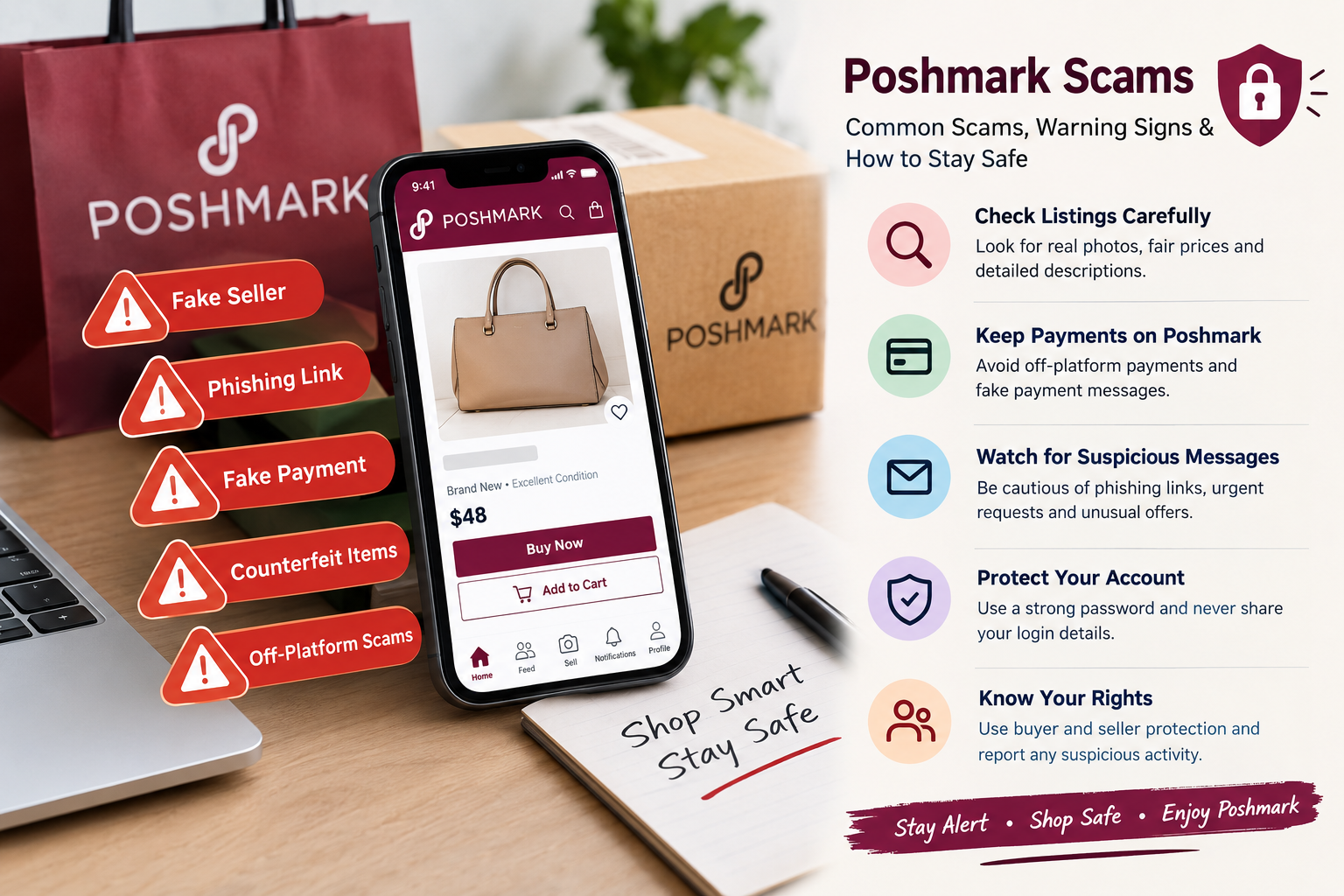
Common Scam Techniques
Websites associated with alleged private-content searches can use several techniques to increase clicks and engagement.
Fake Verification
A page may claim that visitors must verify their age or identity before accessing content. The verification process may request personal information or redirect the visitor to unrelated websites.
Fake Download Buttons
Multiple download buttons may appear on the same page. Some may lead to advertisements or unwanted software rather than legitimate files.
Endless Redirects
A visitor may be redirected through several domains before reaching another page. This can make it difficult to determine who operates the website or where information is being sent.
Fake Comments
Some pages display fabricated comments suggesting that other visitors successfully accessed the promised material. These comments can create false credibility.
Urgency Tactics
Countdown timers and messages such as “limited access” can encourage users to click without carefully evaluating the website.
Credential Theft
The most serious scams may imitate login pages and ask visitors for usernames and passwords. Reusing passwords across different services can make this especially dangerous.
Recognizing these patterns can prevent many avoidable security problems.
Privacy Risks for Creators
Unauthorized distribution is not only a copyright issue. It can also become a serious privacy concern.
Creators may lose control over where their material appears, who sees it, and how it is presented. When copies are reposted repeatedly, removing every instance can become increasingly difficult.
The situation can become more harmful if personal information is published alongside the material. Names, social profiles, locations, contact details, or other identifying information can potentially expose someone to harassment or unwanted contact.
For creators who depend on digital platforms for income, unauthorized distribution may also affect their business. Subscribers may encounter unauthorized copies elsewhere and misunderstand the relationship between the original creator and the third-party website.
This is why privacy protection and content security should be considered part of a broader digital-business strategy.
Copyright and Unauthorized Distribution
Digital content can be protected by copyright depending on the jurisdiction and circumstances. Copyright generally concerns the rights associated with original creative works, while platform terms and privacy laws can address additional aspects of unauthorized use.
The exact legal options available to a creator depend on factors such as location, ownership of the material, the website hosting the content, and the circumstances surrounding the distribution.
A creator who discovers unauthorized copies should therefore avoid assuming that one removal process will work everywhere. Different websites may have different reporting procedures.
Possible steps can include submitting a copyright complaint, making a privacy-related report, contacting the website administrator, reporting an impersonating account, or obtaining professional legal advice where appropriate.
Legal rules vary considerably between countries, so specific legal disputes should be assessed by a qualified professional familiar with the applicable jurisdiction.
What Creators Can Do After Discovering Unauthorized Sharing
Finding unauthorized copies can be stressful, but a structured response can make the process more manageable.
1. Document the Evidence
Record the URLs where the material appears and note relevant usernames, dates, screenshots, and other information. Evidence can become useful if the material moves to another domain.
2. Identify the Hosting Platform
Determine whether the content is hosted on a social network, file-sharing service, forum, website, or another type of platform. Each service may provide a different reporting mechanism.
3. Review the Platform’s Policies
Look for copyright, privacy, impersonation, harassment, or abuse-reporting procedures. Selecting the most relevant reporting category can improve the chances of the complaint reaching the appropriate team.
4. Secure the Original Account
Change passwords when necessary, avoid password reuse, review account activity, and activate available security features such as multi-factor authentication.
5. Monitor for Additional Copies
Unauthorized material may appear on multiple websites. Periodic searches for distinctive usernames or other public identifiers can help creators identify new instances.
6. Seek Professional Assistance When Necessary
If the situation involves extensive distribution, harassment, threats, identity exposure, or significant financial damage, professional legal or cybersecurity assistance may be appropriate.
What Should Users Do If They Find Private Content?
Internet users also have a responsibility when encountering material that appears to have been shared without authorization.
The safest response is not to download, save, repost, or distribute it. Sharing another copy increases the number of places from which the material may need to be removed.
Users can instead report the page through the platform’s available reporting system. If the page appears to be a scam, users should avoid interacting with suspicious forms, downloads, or login prompts.
If someone has already entered credentials into a suspicious website, changing the affected password through the legitimate service and reviewing account-security settings is an important precaution. Passwords should be unique, especially for important accounts.
Why People Searching for “OnlyFan Leak” Terms Should Be Careful
Searches such as onlyfan leak or only fans leak may attract websites that are optimized for clicks rather than accuracy. This means the searcher’s intention can be exploited by scammers.
A person might expect to find information but instead encounter:
- misleading headlines;
- fake previews;
- phishing forms;
- suspicious advertisements;
- malicious downloads;
- fake verification systems;
- impersonation pages; or
- requests for payment or personal information.
The presence of a recognizable creator’s name does not make the page legitimate. Search engines can index claims that have never been independently verified.
Users should therefore evaluate the website, not simply the headline.
Celebrity and Creator-Specific Search Claims
Searches involving public figures or online creators require additional caution. Queries such as Lil Tay OnlyFans leaks, for example, can produce pages that make claims about alleged private material.
A search phrase itself does not establish that the material is authentic, current, or legitimately published. Some pages may use a person’s name purely as a search-engine optimization tactic.
Responsible users should avoid spreading unverified allegations or private material. If a claim concerns an identifiable person, especially when it involves supposedly private content, sharing the claim can cause unnecessary harm.
The same principle applies regardless of whether the person is a celebrity, influencer, creator, or private individual.
Protecting Online Accounts
Strong account security is one of the most effective ways to reduce digital risks.
A unique password should be used for every important account. Password managers can help users create and store strong credentials without requiring them to memorize every password.
Multi-factor authentication provides an additional security layer where supported. Even if a password is exposed, another verification method may make unauthorized access more difficult.
Users should also be cautious with unsolicited emails and direct messages. A message claiming to offer exclusive content, account verification, or urgent security information may contain a phishing link.
Instead of clicking the link, open the relevant service through a trusted bookmark or by manually entering the official website address.
How to Recognize a Suspicious Website
A website deserves extra caution when several warning signs appear together.
Look at the domain name carefully. A strange spelling, excessive subdomains, or an unfamiliar domain does not automatically prove that a site is malicious, but it can justify additional caution.
Check whether the website provides meaningful information about its operator, privacy policy, contact details, and terms. These elements do not guarantee legitimacy, but completely anonymous pages making extraordinary promises should be approached carefully.
Pay attention to browser warnings as well. Security software and modern browsers may identify known malicious or deceptive websites. These warnings should not be ignored simply because the page promises something attractive.
Most importantly, do not disable security features to access supposedly free material.
The Difference Between Content Access and Content Ownership
A common misunderstanding surrounding digital subscriptions is the difference between receiving access and owning the underlying content.
Paying for access to digital material does not automatically give a subscriber permission to redistribute that material publicly. The specific rights associated with content depend on applicable laws, platform terms, and agreements.
Creators can establish conditions around how their work is accessed, while platforms may impose additional rules regarding copying and redistribution.
Understanding this distinction helps explain why a subscriber having legitimate access to content does not necessarily mean that the subscriber can upload the material elsewhere.
Why Responsible Search Behavior Matters
Search behavior influences what types of websites receive traffic. When users repeatedly visit deceptive pages, those pages may continue investing in techniques designed to capture search traffic.
Responsible browsing reduces this incentive.
Instead of searching for unauthorized private material, users can look for legitimate creator profiles, official announcements, platform safety information, copyright guidance, or general discussions about digital privacy.
This approach also produces better-quality information. Search engines are more useful when users distinguish between reliable sources and pages designed primarily to generate clicks.
Frequently Asked Questions
What is content?
It generally refers to subscription-based creator content that has allegedly been copied or redistributed outside its intended audience without authorization. The phrase is also used by websites that target search traffic.
Are websites offering OnlyFans leaks trustworthy?
Not necessarily. Some may be misleading, fraudulent, or designed to collect personal information. Users should be particularly cautious about login requests, downloads, redirects, and unusual verification procedures.
Is searching for free OnlyFans content risky?
It can be. Search results may lead to deceptive pages, phishing attempts, unwanted software, or fraudulent offers. Users should never provide account credentials to an unfamiliar third-party website.
What should a creator do after finding unauthorized copies?
The creator should document the URLs and evidence, identify the hosting platforms, use applicable reporting systems, secure their accounts, and consider professional assistance if the problem is serious or widespread.
Can leaked material be removed from the internet?
Removal can be possible from individual websites or platforms, but complete removal may be difficult once material has been copied repeatedly. Reporting the original source and subsequent copies can help reduce further distribution.
Does a search result prove that a leak is real?
No. Search results can contain fabricated claims, misleading headlines, manipulated images, and pages created purely for traffic generation. A search result should not be treated as proof.
Why do scam websites use popular creator names?
Popular names can attract search traffic. Some websites use recognizable names and trending phrases to encourage visitors to click, even when the page has no reliable connection to the person mentioned.
What is the safest response to unauthorized private content?
Avoid downloading or redistributing it. If appropriate, report the content to the hosting platform and focus on legitimate privacy, copyright, and safety procedures.
Expert Tips for Safer Online Browsing
Expert Tip 1: Never use the same password for multiple important accounts. If one website suffers a security incident, reused credentials can expose other accounts.
Expert Tip 2: Treat unexpected “verification” requests with caution. A website asking for sensitive information before providing supposedly free material deserves careful scrutiny.
Expert Tip 3: Do not install unknown browser extensions or applications simply to access online content. Software should come from trusted sources.
Expert Tip 4: Save evidence before reporting unauthorized material. URLs, screenshots, usernames, and timestamps can be useful when a page disappears and later reappears elsewhere.
Expert Tip 5: Avoid sharing unverified claims involving real people. A misleading post can spread much faster than the correction that follows it.
Expert Tip 6: Use official platforms for account access. If a website asks for credentials through an unfamiliar login form, close the page and access the service directly.
Final Thoughts
The discussion surrounding content is closely connected with much broader issues involving privacy, cybersecurity, copyright, consent, and online scams. Search terms such as onlyfan leaks, onlyfan leak, and only fans leak may have significant search interest, but users should understand that search popularity does not make unauthorized content legitimate or safe.
For internet users, the most important priorities are avoiding suspicious websites, protecting account credentials, recognizing phishing attempts, and refusing to redistribute private material. These habits can reduce exposure to scams while also respecting the privacy of creators.
For creators, account security, evidence preservation, platform reporting, and appropriate copyright or privacy procedures can provide a structured response when unauthorized distribution occurs. Strong passwords, multi-factor authentication, and regular monitoring can also reduce the risk of future incidents.
The concept of free OnlyFans content deserves particular caution because free-access claims are frequently used to attract clicks. A website promising exclusive material may instead be attempting to collect personal information, generate advertising revenue, or distribute unwanted software.
Finally, creator-specific searches such as Lil Tay OnlyFans leaks should be approached responsibly. A search query does not verify an allegation, and distributing unverified or private material can cause real harm.
A safer internet depends on responsible behavior from both creators and users. Respecting consent, protecting accounts, verifying information, and avoiding suspicious websites are practical steps that contribute to a healthier digital environment.